Beef
Beef
 Bison
Bison
 Chicken
 Lamb
Lamb
 Pork
Pork
 Seafood
 Turkey
 Bundles


Grass Fed Ground Beef Meal Prep Guide 2026
Best grass fed ground beef for meal prep families in 2026. Canadian-sourced picks, fat ratio guide, freeze tips, and bulk pricing — ranked for weekly batch cooking.

Grass fed ground beef meal prep works best when the protein you buy is consistent in fat content, sourced cleanly, and priced to buy in volume — this page ranks the best options for families cooking in bulk and tells you exactly what to look for before you order.
TL;DR: For families doing weekly meal prep in 2026, grass fed ground beef is the top bulk protein pick: higher omega-3s than conventional, predictable cook times, and a neutral flavour that works across cuisines. Northern Raised's grass fed ground beef is the anchor recommendation — pasture-raised, Canadian-sourced, and sold in quantities that make batch cooking practical. Families should prioritize lean-to-fat ratio, freeze stability, and package size over brand marketing.
Why This Matters in 2026
Canadian families spending time on Sunday meal prep are burning two resources: money and freezer space. Grass fed ground beef solves both when you buy right — it freezes for up to 4 months without quality loss, cooks from frozen in under 20 minutes, and one 5 lb batch yields enough protein for 10–12 individual servings. The problem is that "grass fed" labelling in Canada is inconsistent. Some products are grass fed but grain finished, which changes the fat profile significantly. Knowing what the label actually means saves you from buying beef that behaves more like conventional in the pan.
Who This Is For
This guide is for households cooking 4–7 dinners a week at home, buying protein in multi-pound quantities, and storing meals in portioned containers for the week ahead. You care about ingredient quality — not just macros on a fitness app — and you want a protein that performs the same way every Sunday regardless of what recipe you're scaling. If you're cooking for two adults and two kids, a 4 lb prep session covers you Monday through Thursday without reheating the same thing twice.
What to Look For in Grass Fed Ground Beef for Meal Prep
Lean-to-Fat Ratio
For meal prep, 80/20 is the working standard. It holds moisture through reheating better than 90/10, which dries out in containers by day three. If your family skims fat after browning, 85/15 is a reasonable middle ground. Avoid anything marketed as "extra lean" for bulk batch cooking — the texture suffers on day two.
Grass Fed AND Grass Finished
This is the label distinction that matters. Grass fed only means the animal ate grass at some point. Grass fed and grass finished means pasture for the full life cycle, which produces a meaningfully different omega-3 to omega-6 ratio. Research published in Nutrition Journal (2010, N = 396 samples) found grass-finished beef had 2–5x higher omega-3 concentrations than grain-finished. In 2026, look for this explicitly on Canadian products.
Freeze Stability and Packaging
Vacuum-sealed portions outperform tray-wrapped for meal prep families because they eliminate freezer burn during a 6–8 week rotation. If you're buying 5 lbs at once and pulling portions over 6 weeks, packaging quality is not cosmetic — it's functional. Airtight seals also mean you can sous vide straight from frozen if you have the setup.
Consistent Grind Texture
A coarse grind browns unevenly and leaves large chunks that don't distribute well in rice bowls or pasta sauce. A medium grind — the standard for most quality producers — is what you want for versatile prep. Consistent grind across a bulk order matters more than people expect; inconsistency means different cook times across the same batch.
Country of Origin and Traceability
Canadian-raised beef avoids the labelling gaps common with cross-border products. For a family eating grass fed beef 3–4 times a week, source transparency is a real concern, not a marketing talking point. Producers who name the farm or region give you something to verify.
Price Per Pound at Volume
In 2026, quality grass fed ground beef in Canada runs $12–$18/lb retail. Buying through a direct-to-consumer producer typically brings that to $10–$14/lb when purchased in bulk. For a family using 3–4 lbs per week, the difference between retail and bulk pricing adds up to $200–$400 annually.
Top Picks
Northern Raised Grass Fed Ground Beef — The Meal Prep Standard
Hook: The safe pick for Canadian families who want consistent, traceable protein without sourcing from multiple suppliers.
Spec that matters: Grass fed and pasture-raised, Canadian-sourced, vacuum-sealed portions.
Concrete number: Ships in formats sized for families buying 3–5 lbs at a time, with freezer-stable packaging rated for 4+ months.
Verdict: Buy. This is the anchor product for families running a weekly prep routine. The sourcing is Canadian, the packaging holds up through a 6-week rotation, and the grind is consistent batch to batch. If you cook ground beef more than twice a week, this is where to start. Order grass fed ground beef directly.
Supplementing With Chicken for High-Volume Weeks
Hook: The volume play when you need more servings without doubling beef spend.
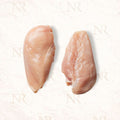
Spec that matters: Boneless, organic, no brine added — cooks predictably in batch.
Concrete number: A 10-pack chicken breast bundle covers 10 individual protein servings from a single order.
Verdict: Consider. Rotating chicken breast bundle into your prep week alongside ground beef cuts cost per serving and adds protein variety without disrupting your workflow. Not a replacement for ground beef — a complement on high-volume weeks.
Wild Salmon for Omega-3 Rotation
Hook: The wildcard addition that rounds out a protein-diverse prep week.
Spec that matters: Wild-caught, portioned for individual serving sizes — no trimming required.
Concrete number: Swap salmon into one meal prep slot per week and you add a meaningfully different fat profile to the rotation.
Verdict: Consider. The wild salmon portion earns a spot in a meal prep rotation once you have your beef and chicken base dialled in. Don't start here — add it at week three or four when your prep system is running smoothly.
Grass Fed Ribeye Steaks (Weekend Batch Option)
Hook: The upgrade pick when you want one premium cook per week alongside your ground beef prep.
Spec that matters: Sold as a 6-pack, which maps cleanly to a two-adult household eating steak once a week for six weeks.
Concrete number: A 6-pack of ribeyes bought once covers six weekend meals at a cost-per-serving well below restaurant pricing.
Verdict: Hold until your ground beef meal prep routine is consistent. The 6-pack grass fed ribeye steaks are a genuine upgrade, but they reward families who already have a prep system — not families still figuring out batch cooking basics.
Organic Chicken Thighs (Budget-Conscious Families)
Hook: The high-fat, forgiving cut that reheats better than breast in containers.
Spec that matters: Boneless, skinless, organic — the prep-friendly format.
Verdict: Consider. Boneless skinless organic chicken thighs reheat better than breast in most container formats and cost less per pound. A strong secondary protein for families watching weekly spend.
What to Avoid
- "Natural" labelling without grass fed specification. In Canada, "natural" has no regulated definition for beef. It signals nothing about the animal's diet or finishing method. Families buying for nutrient quality need the grass fed and grass finished language explicitly.
- Tray-wrapped bulk packs from grocery chains. The packaging doesn't hold for more than 3–4 weeks in a home freezer. For a 6–8 week rotation, you will lose product to freezer burn before you use it.
- Pre-seasoned or blended ground beef products. These are convenient for single meals but create flavour conflicts across a prep week. Buy plain ground beef and season per recipe — it's the only way to run one batch across multiple dishes (taco meat, Bolognese, burger patties) from a single cook session.
Comparison Table
| Product | Lean/Fat | Grass Finished | Freeze Stability | Best For | Verdict |
|---|---|---|---|---|---|
| Northern Raised Ground Beef | 80/20 | Yes | 4+ months | Weekly batch cooking | Buy |
| Chicken Breast Bundle | N/A | Organic | 3 months | High-volume weeks | Consider |
| Wild Salmon Portion | N/A | Wild-caught | 3 months | Omega-3 rotation | Consider |
| Grass Fed Ribeye 6-Pack | N/A | Yes | 4+ months | Weekend premium cook | Hold |
| Organic Chicken Thighs | N/A | Organic | 3 months | Budget-flex weeks | Consider |
FAQ
What is the best grass fed ground beef for meal prep in 2026? For Canadian families, Northern Raised grass fed ground beef is the top pick in 2026 — Canadian-sourced, vacuum-sealed, and sized for bulk buying. Look for grass fed and grass finished labelling to confirm full pasture finishing.
How long does grass fed ground beef last in the freezer? Vacuum-sealed grass fed ground beef holds quality for 4 months in a standard home freezer. Tray-wrapped packages degrade after 6–8 weeks. For a weekly meal prep rotation, vacuum sealing is non-negotiable.
Is grass fed ground beef worth the higher price for meal prep? At bulk volume pricing ($10–$14/lb), the premium over conventional ($7–$9/lb) is roughly $3–$5/lb. For a family using 3 lbs per week, that is $9–$15 extra per week — or about $500 annually. Whether that premium is worth it depends on how much the omega-3 and sourcing difference matters to your household.
What fat ratio is best for meal prep ground beef? 80/20 is the standard recommendation. It retains moisture through reheating and stays palatable on day three in a container. 85/15 works if you drain fat after browning. 90/10 dries out and is not recommended for multi-day storage.
How much grass fed ground beef should I buy for a family of four per week? Plan on 1.5–2 lbs per meal for a family of four. If ground beef is your primary protein three times per week, 5–6 lbs per week covers you. Buy in larger quantities — 10 lbs every two weeks — to reduce per-pound cost.
Can you cook grass fed ground beef from frozen for meal prep? Yes. In a covered pan over medium heat, frozen grass fed ground beef is fully cooked in 18–22 minutes. Break it up as the outer layer thaws. This is slower than fresh but works for unplanned prep sessions when you forgot to thaw the night before.
Does grass fed ground beef taste different in batch-cooked meals? It has a slightly leaner, cleaner flavour than conventional. In heavily seasoned dishes — taco meat, chili, Bolognese — the difference is minimal. In plainer preparations like burger patties or rice bowls, the cleaner fat profile is noticeable and generally preferred by families who eat it regularly.
Is Canadian grass fed beef better than imported options? For meal prep families in Canada, domestic sourcing is preferable for two reasons: shorter cold chain (better for product integrity) and cleaner labelling standards under Canadian regulations. Imported grass fed beef from South America or Australia is not inherently lower quality, but traceability is harder to verify.
One Last Thing
Grass fed ground beef has a lower ignition point than conventional because of its leaner fat composition — it browns about 30 seconds faster at the same heat setting. If you are scaling a recipe for 5 lbs of beef in a single pan, run the heat at medium rather than medium-high and you will avoid the grey, overcooked exterior that makes reheated ground beef unpleasant. This single adjustment is responsible for most of the quality difference between a meal prep that tastes good on Thursday and one that doesn't.
Related Guides
- Grass fed ground beef — product page with current pricing and pack formats