Beef
Beef
 Bison
Bison
 Chicken
 Lamb
Lamb
 Pork
Pork
 Seafood
 Turkey
 Bundles


Organic Chicken Breast for High-Protein Diets 2026
Organic chicken breast high protein diet guide for Canadians in 2026. Northern Raised 10-pack delivers 26–31g protein per 100g, certified organic, shipped fresh.

Organic chicken breast is the default protein anchor for high-protein diet plans — lean, versatile, and easy to portion. This guide breaks down exactly who should make it their weekly staple, what to look for when buying it in Canada, and how Northern Raised stacks up for people who want clean protein without the grocery-store guesswork.
TL;DR: For anyone running a high-protein diet in 2026 — athletes, body-recomposition clients, or busy meal-preppers — organic chicken breast consistently delivers 26–31 g of protein per 100 g cooked with minimal fat. The 10-pack chicken breast bundle from Northern Raised is the clearest bulk buy for Canadians who want certified organic, pasture-raised birds delivered fresh. If you prioritize fat content for a higher-calorie phase, boneless thighs or grass-fed beef are better rotations. For straight protein-per-dollar, the breast wins.
Why Organic Chicken Breast Dominates High-Protein Diet Planning in 2026
Protein quality and quantity are the two variables that determine whether a high-protein diet actually works. Chicken breast scores high on both: it carries a complete amino acid profile, a protein efficiency ratio comparable to egg white, and roughly 165 calories per 100 g raw — leaving room for carbs or fat without blowing a calorie ceiling.
The "organic" distinction matters beyond marketing. Certified organic birds in Canada are raised without synthetic pesticides in feed, without routine antibiotic use, and with outdoor access requirements under the Canada Organic Regime. For athletes eating 200–300 g of chicken breast daily, the cumulative exposure difference from conventional is real.
In 2026, online delivery of frozen and fresh organic protein has closed the convenience gap with conventional grocery. You no longer trade quality for accessibility.
Who This Guide Is For
This guide is written for three buyer profiles who consistently put organic chicken breast at the centre of their diet:
- High-volume trainers hitting 1.6–2.2 g of protein per kg of bodyweight daily, who need a consistent, low-fat protein base they can prep in bulk.
- Body-recomposition clients keeping calories controlled while maximizing satiety — chicken breast's protein-to-calorie ratio (~0.19 g protein per calorie) is the highest of any whole-food meat.
- Meal-prep households in Ontario and across Canada who want 8–10 days of pre-portioned protein ready by Sunday evening, sourced from a single reliable supplier.
If you're in a pure mass-gaining phase and need calorie density, thighs or ribeye rotate in more naturally. This guide still applies to you for lean-phase weeks.
What to Look for in Organic Chicken Breast for a High-Protein Diet
Certification — Canada Organic, Not Just "Natural"
"Natural" is an unregulated term on Canadian meat packaging. "Organic" requires third-party certification under the Canada Organic Regime, which mandates no synthetic pesticide residues in feed, no growth hormones, and no preventive antibiotic use. When you're eating 200 g of chicken breast per day for months, the difference between certified and uncertified accumulates. Verify the green Canada Organic logo on packaging or supplier documentation — not just a label claim.
Protein Density per Serving
Raw chicken breast runs 22–24 g of protein per 100 g; cooked, it concentrates to 26–31 g depending on method. Poached or baked preserves the most protein per gram of cooked weight. When comparing products, look for breasts in the 170–220 g raw range — smaller split breasts cook evenly and lose less moisture, meaning better protein yield per piece you actually eat.
Feed and Rearing Conditions
Pasture-raised or free-range birds fed non-GMO grain have a slightly better omega-6 to omega-3 ratio than conventionally raised. The gap is smaller than it is for ruminants like beef, but over daily volumes it is measurable. Ask suppliers whether "organic" also means outdoor access or if it is a feed-only certification — the two are different.
Delivery Chain and Cold Integrity
For Canadians ordering online, the cold chain between pack and door determines meat quality. Flash-frozen at peak freshness and shipped with dry ice or gel packs is equal to or better than "fresh" protein that has sat in a grocery case for four days. Ask suppliers for their pack date and freeze-point practices. Northern Raised ships vacuum-sealed, which prevents freezer burn and extends usable life past 6 months at -18°C.
Pack Size and Protein Economics
Buying chicken breast individually costs more per gram of protein than buying in a structured bundle. For a high-protein diet plan consuming 200 g of breast per day, a 10-piece bundle covers roughly 10 training days in a single order. Calculate your weekly protein need first — then match the pack size to avoid freezer waste or mid-week shortfalls.
Consistency of Cut
Uneven cuts — one 120 g piece and one 280 g piece in the same pack — make meal prep unreliable. For macro tracking, you need portions that cook consistently and hit close to the same weight. Butcher-cut, single-lobe breasts (not "breast meat" formed from trimmings) give you predictable macros and even cooking times.
Top Picks for High-Protein Diet Planners in 2026
Northern Raised 10-Pack Chicken Breast Bundle — The Meal-Prep Standard
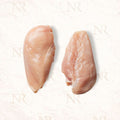
The safe pick. This is the go-to for anyone who preps protein in volume. The bundle packs 10 individual organic chicken breasts, vacuum-sealed and shipped to your door across Ontario and select Canadian provinces. At roughly 26–31 g of protein per 100 g cooked, a single breast covers a full protein serving for most plans.
- Hook: Best single purchase for covering 10 days of daily protein in one order.
- One spec that matters: Certified Canadian organic, non-GMO feed, no routine antibiotics.
- Concrete number: 10 breasts, approximately 170–220 g each, averaging 200 g raw protein per piece at ~46 g protein per breast cooked.
- Verdict: Buy. The 10-pack chicken breast bundle is the clearest value for anyone on a structured high-protein plan in Canada in 2026.
Northern Raised Boneless Skinless Organic Chicken Thighs — The Rotation Pick
The calorie-density addition. Thighs carry 23–26 g of protein per 100 g cooked alongside roughly 9–12 g of fat — making them the right rotation when you need higher calories without adding carbs. In high-training weeks where calorie needs spike, swapping two breast servings per week for boneless skinless organic chicken thighs keeps protein intake high while adding energy density.
- Hook: The intelligent swap for mass phases or elevated training loads.
- One spec that matters: Same Canadian organic certification as the breast, with more saturated fat and deeper flavour for adherence.
- Concrete number: Approximately 9–12 g fat per 100 g cooked vs. 3–4 g for breast.
- Verdict: Consider. Not your daily driver on a lean-phase plan, but a smart rotation for 2–3 servings per week during higher-calorie blocks.
Northern Raised Wild Salmon Portion — The Protein + Omega-3 Pairing
The wildcard. Wild salmon delivers 20–25 g of protein per 100 g cooked with a genuine omega-3 load (1,500–2,500 mg EPA+DHA per 100 g) that chicken breast cannot match. For athletes tracking inflammation and recovery markers, two salmon servings per week alongside a chicken breast base is a nutritionally complete strategy.
- Hook: The recovery-phase complement to a chicken-breast-heavy plan.
- One spec that matters: Wild-caught, not farmed — meaningfully higher EPA+DHA ratio.
- Concrete number: Up to 2,500 mg omega-3 per 100 g, vs. under 100 mg for chicken breast.
- Verdict: Consider as a 2x-per-week rotation alongside the breast bundle. Available via wild salmon portion from Northern Raised.
Northern Raised Grass-Fed Ground Beef — The Calorie-Flexibility Pick
The strength-phase option. Ground beef sits at a different macronutrient position: higher fat, similar protein per gram, and a flavour profile that drives adherence when diet fatigue sets in. For clients who hit protein goals consistently but struggle with diet adherence past week 6, rotating in grass-fed ground beef two nights per week prevents the dropout that tank long-term results.
- Hook: The adherence anchor when plain chicken stops working.
- One spec that matters: Grass-fed, higher CLA content vs. grain-finished conventional beef.
- Concrete number: Approximately 26 g protein per 100 g cooked (80/20 blend).
- Verdict: Consider for 2x weekly rotation. Not a replacement for breast on lean phases.
What to Avoid When Buying Organic Chicken Breast for a High-Protein Diet
- "Air-chilled natural" without organic certification. Air-chilling is a processing method, not a feed or rearing standard. "Natural" has no legal protein content or rearing floor in Canada. You are paying an organic-adjacent price without organic guarantees.
- Pre-marinated or brined organic breasts. Sodium-heavy brines inflate the weight you're paying for and add 300–600 mg of sodium per serving — relevant if you're managing water retention or blood pressure alongside body composition goals. Buy plain and season yourself.
- Over-portioned "jumbo" breasts from grocery. Grocery-grade jumbo breasts (often 350–450 g each) are from fast-grow breeds. They cook unevenly, have a looser texture, and are harder to portion accurately. Butcher-cut single-lobe breasts in the 170–220 g range give you better texture and predictable macros.
Comparison Table — 2026 High-Protein Picks from Northern Raised
| Product | Protein per 100g cooked | Fat per 100g cooked | Best use case | Verdict |
|---|---|---|---|---|
| Organic Chicken Breast (10-pack) | 26–31 g | 3–4 g | Daily protein base, lean phase | Buy |
| Boneless Skinless Chicken Thighs | 23–26 g | 9–12 g | Calorie-dense rotation, mass phase | Consider |
| Wild Salmon Portion | 20–25 g | 6–13 g | Recovery-phase rotation, omega-3 load | Consider |
| Grass-Fed Ground Beef | ~26 g | 14–20 g | Adherence rotation, strength phase | Consider |
FAQ
What is the protein content of organic chicken breast? Cooked organic chicken breast delivers 26–31 g of protein per 100 g depending on cooking method. Poaching and baking preserve the most protein per gram of final cooked weight compared to grilling, which loses more moisture.
Is organic chicken breast better than conventional for a high-protein diet? For pure protein content, the difference is negligible — both run 26–31 g per 100 g cooked. The organic advantage is feed quality (no synthetic pesticide residues) and no routine antibiotic use, which matters when you're eating this protein daily at high volumes.
How much organic chicken breast should I eat per day on a high-protein diet? Most high-protein plans target 1.6–2.2 g of protein per kg of bodyweight. For an 80 kg person targeting 160 g of daily protein, three 175 g cooked breast servings covers that load with room for protein from other sources.
Can I meal prep organic chicken breast for a full week? Yes. Cooked and refrigerated, chicken breast holds safely for 4 days at 4°C or below. For a full 7-day prep cycle, cook half on Sunday and freeze the second batch in portions, pulling them forward mid-week. Vacuum-sealed raw breasts from Northern Raised last 6+ months frozen.
Is the Northern Raised 10-pack chicken breast bundle worth it for one person? For anyone eating one breast per day, 10 pieces covers 10 days in a single order. At that frequency, a bundle is more economical than buying individual cuts and removes the weekly reorder friction that breaks diet consistency.
How does organic chicken breast compare to chicken thighs for a high-protein diet? Breast wins on protein-to-calorie ratio (roughly 0.19 g protein per calorie vs. 0.13 g for thighs). Thighs win on calorie density and flavour. For lean-phase dieting, breast is the better daily choice. For mass phases or calorie-surplus weeks, thighs rotate in without sacrificing protein intake.
Where can I buy certified organic chicken breast online in Canada in 2026? Northern Raised ships certified organic chicken breast to Ontario and select Canadian provinces. Orders arrive vacuum-sealed and frozen, with the cold chain maintained from pack to door. The 10-pack bundle is the most efficient single order for meal-prep volumes.
Does cooking method affect the protein yield of chicken breast? Yes. Dry-heat methods like grilling at high temperature lose more moisture, which concentrates protein per gram but reduces total yield. Poaching or baking at 175°C retains more moisture and gives you more total cooked weight — and total grams of protein — per raw breast.
One Last Thing
The single most common reason high-protein diet plans fail at week 8 is not willpower — it is food fatigue from eating the same protein source prepared the same way. Chicken breast is the protein base, not the whole diet. Rotating in wild salmon twice a week and ground beef twice a week while keeping breast as the daily anchor gives you a nutritionally complete, macro-controlled plan that holds past the two-month wall. Northern Raised's product range is built exactly for that rotation: organic breast, organic thighs, wild salmon, and grass-fed beef, all delivered to the same address on the same order.