Beef
Beef
 Bison
Bison
 Chicken
 Lamb
Lamb
 Pork
Pork
 Seafood
 Turkey
 Bundles


Organic Chicken Thighs: Slow Cooker Batch Cooking 2026
Organic chicken thighs are the best cut for slow cooker batch cooking in 2026. Get cook times, portion yields, and sourcing advice for Canadian meal preppers.

Organic chicken thighs are the single best cut for slow cooker batch cooking — more forgiving than breast, richer in flavour, and almost impossible to overcook when done right.
TL;DR: For anyone batch cooking in 2026, organic chicken thighs cooked low and slow outperform every other poultry cut. They stay moist through 6–8 hours on low heat, freeze clean for up to 3 months, and yield enough protein per batch to cover 4–6 meals. Bone-in or boneless, the thigh's higher fat content protects it during long cook times where breast dries out. If you're sourcing for weekly prep, boneless skinless organic chicken thighs from Northern Raised are the starting point.
Why organic chicken thighs beat every other cut for batch cooking
Chicken breast gets all the marketing attention, but thighs are what batch cookers actually reach for. The fat-to-protein ratio in a thigh — roughly 10g fat and 26g protein per 100g cooked — means the meat self-bastes during a long slow-cooker session. Breast hits 165°F and starts losing moisture almost immediately after. A thigh at 185°F is still pulling apart in tender strands.
Organic certification adds a practical benefit beyond ethics: birds raised without routine antibiotics and on organic feed tend to produce firmer, less water-logged meat. That matters in a slow cooker where excess moisture is the enemy of flavour concentration.
In 2026, with grocery prices in Canada still elevated, batch cooking 8–10 thighs at once and portioning across the week cuts per-meal protein cost significantly versus buying single-serve cuts.
Who this guide is for
This is for the home cook who runs a weekly or bi-weekly meal prep session — typically 1–2 hours on a Sunday — and wants a reliable protein anchor for 4–6 meals. You're not cooking for a restaurant. You care that the food tastes good on Thursday as much as it did on Sunday. You probably already own a slow cooker or Instant Pot and want to stop guessing at cook times and seasoning ratios.
What to look for in organic chicken thighs for slow cooker use
Bone-in vs. boneless
Bone-in thighs add more collagen to the braising liquid, which thickens sauces naturally. Boneless thighs are faster to portion and easier to shred for meal prep containers. For a pure slow-cooker batch where you'll shred the meat, boneless wins on convenience — no post-cook bone removal from hot meat. For a braise you'll serve whole, bone-in produces a better final sauce.
Skin-on vs. skinless
Skin does not crisp in a slow cooker. It turns rubbery and releases large amounts of fat into the liquid. For batch cooking where you're aiming for a lean, versatile protein, skinless is correct. If you want crispy skin, you're using the wrong appliance — sear first, then slow-cook, or switch to the oven.
Organic certification specifics in Canada
In Canada, "organic" on poultry packaging requires CFIA-accredited certification. That means no synthetic pesticides in feed, no routine antibiotic use, and outdoor access. "Natural" or "antibiotic-free" are not equivalent terms. When sourcing in 2026, look for the Canada Organic logo or a named third-party certifier on the label.
Fat marbling and colour
Organic thighs from pasture-raised birds tend to run slightly darker in raw colour — a deeper pink-red compared to conventional. That's myoglobin, not a quality defect. More myoglobin means more iron and better flavour development during slow cooking. Pale, almost white raw thighs are a signal of confinement-raised birds regardless of the label claim.
Pack size for batch cooking economics
Single-pack thighs (2–3 pieces) are priced for single meals. Batch cooking requires a minimum of 6–8 thighs to make the 6–8 hours of slow cooker time worthwhile. Buying in bulk — 1.5 to 2 kg minimum per session — drops the per-meal cost and reduces the frequency of sourcing trips. Factor freezer space: raw thighs freeze flat in zip bags and keep well for 3 months at -18°C.
Texture after freezing and reheating
Not all chicken survives freezing equally. Organic chicken thighs, with their higher fat content, reheat better from frozen than breast. The fat acts as a buffer against the moisture loss that turns reheated breast chalky. Shredded thigh meat reheated in a covered pan with 2 tablespoons of the original cooking liquid returns to near-original texture in under 5 minutes.
Top picks for organic chicken thighs — slow cooker batch cooking in 2026
Northern Raised boneless skinless organic chicken thighs — the batch prep default
Hook: The clean-slate pick. Boneless, skinless, certified organic, and sized for a full slow-cooker load.
What makes it work: No bones to remove post-cook, no rubbery skin to deal with, and the organic certification is verifiable through the Northern Raised sourcing standards. At 165°F internal — reached at roughly 4 hours on high or 7 hours on low in most 6-quart slow cookers — these shred cleanly and hold moisture well through refrigerated storage up to 4 days.
Concrete number: A standard batch of 8 boneless thighs yields approximately 900–1,000g of shredded cooked meat, enough for 5 meal-prep containers at a standard 180–200g protein portion.
Verdict: Buy. This is the correct product for weekly batch cooking. The boneless format saves 10–15 minutes of post-cook work per session, which compounds across 52 weeks. Boneless skinless organic chicken thighs are available directly from Northern Raised.
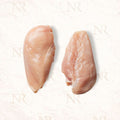
10-pack chicken breast bundle — the high-volume alternative
Hook: The volume play, not the slow-cooker play.
What makes it work: The 10-pack chicken breast bundle suits batch cookers who prefer breast and are willing to be precise about cook times. Breast in a slow cooker is done at 4 hours on low — go longer and texture degrades fast.
Verdict: Consider — only if your meal plan specifically calls for breast and you're disciplined about pull times. For slow-cooker batch cooking as a method, thighs are structurally the better choice.
What to avoid when batch cooking organic chicken thighs
- Overcrowding the slow cooker. More than 1.2 kg of thighs in a 4-quart cooker pushes cooking time unpredictably and risks uneven heat. Use a 6-quart minimum for a full batch, or split across two cook sessions.
- Adding too much liquid. Thighs release significant moisture during cooking. Starting with more than 120ml of liquid in a closed slow cooker leads to a watery, diluted sauce. Many recipes get this wrong — start with less than you think you need.
- Buying skin-on for slow cooking specifically. The skin will not render properly in a moist-heat environment. You're adding fat you'll skim off and texture that doesn't improve the dish. Skinless is correct for this application.
Verdict comparison — organic chicken thighs for slow cooker batch cooking in 2026
| Criterion | Bone-in, skin-on | Boneless, skinless |
|---|---|---|
| Shredding ease | Lower — bone removal post-cook | High — no post-cook work |
| Sauce richness | Higher collagen yield | Slightly lighter sauce |
| Meal prep portioning | Slower | Fast and consistent |
| Freezer performance | Good | Excellent |
| Skin texture in slow cooker | Rubbery | N/A |
| Recommended for batch prep | No | Yes |
FAQ
What's the best internal temperature for organic chicken thighs in a slow cooker? Pull at 165°F minimum — USDA and Health Canada safe temperature. Thighs tolerate 185°F without drying out, which is where they shred most easily. Use a probe thermometer and check the thickest piece.
How long do organic chicken thighs take in a slow cooker? Boneless thighs: 4–5 hours on high or 6–7 hours on low in a 6-quart slow cooker. Bone-in runs 30–45 minutes longer. Every slow cooker runs slightly different — calibrate on your first batch.
Can I cook frozen organic chicken thighs directly in the slow cooker? Health Canada recommends against cooking from frozen in a slow cooker because the meat spends too long in the 4°C–60°C danger zone. Thaw in the refrigerator overnight before cooking.
How many meals does one batch of slow cooker chicken thighs make? A 1.5 kg raw batch yields roughly 900–950g cooked shredded meat. At 180g per serving, that's 5 portions. Scale to 2 kg raw for 6 portions.
Is organic chicken thigh better for batch cooking than organic chicken breast in 2026? For slow cooker applications specifically, yes. Thigh fat content prevents the dry, stringy texture breast develops after 6+ hours of heat. Breast is better suited for shorter, more controlled cooking methods like poaching or the oven.
How long can batch-cooked organic chicken thighs be stored? Refrigerated in an airtight container: 4 days. Frozen in the cooking liquid: up to 3 months at -18°C. Label containers with the freeze date — in a busy meal prep rotation, unlabelled containers get wasted.
Do I need to sear organic chicken thighs before slow cooking? Searing is optional. It adds Maillard browning and depth, especially if you're making a sauce. For pure shredded meal-prep protein, skipping the sear saves 10 minutes and the result is still good. If you do sear, 2–3 minutes per side in a hot cast-iron pan before adding to the slow cooker is enough.
What liquids work best for slow cooker organic chicken thighs? Chicken stock, crushed tomatoes, coconut milk, or a simple combination of olive oil and citrus all work. Start with 80–120ml. The thighs will contribute another 100–150ml of liquid during cooking, so the final volume is always higher than you start with.
One last thing
The single most common batch cooking mistake with organic chicken thighs in 2026 is not the cook time or the seasoning — it's the storage method. Shredded thigh meat stored dry (no cooking liquid) in a meal prep container loses moisture rapidly in the fridge. Store each portion with 2–3 tablespoons of the cooking liquid, and Thursday's meal reheats as well as Sunday's.